


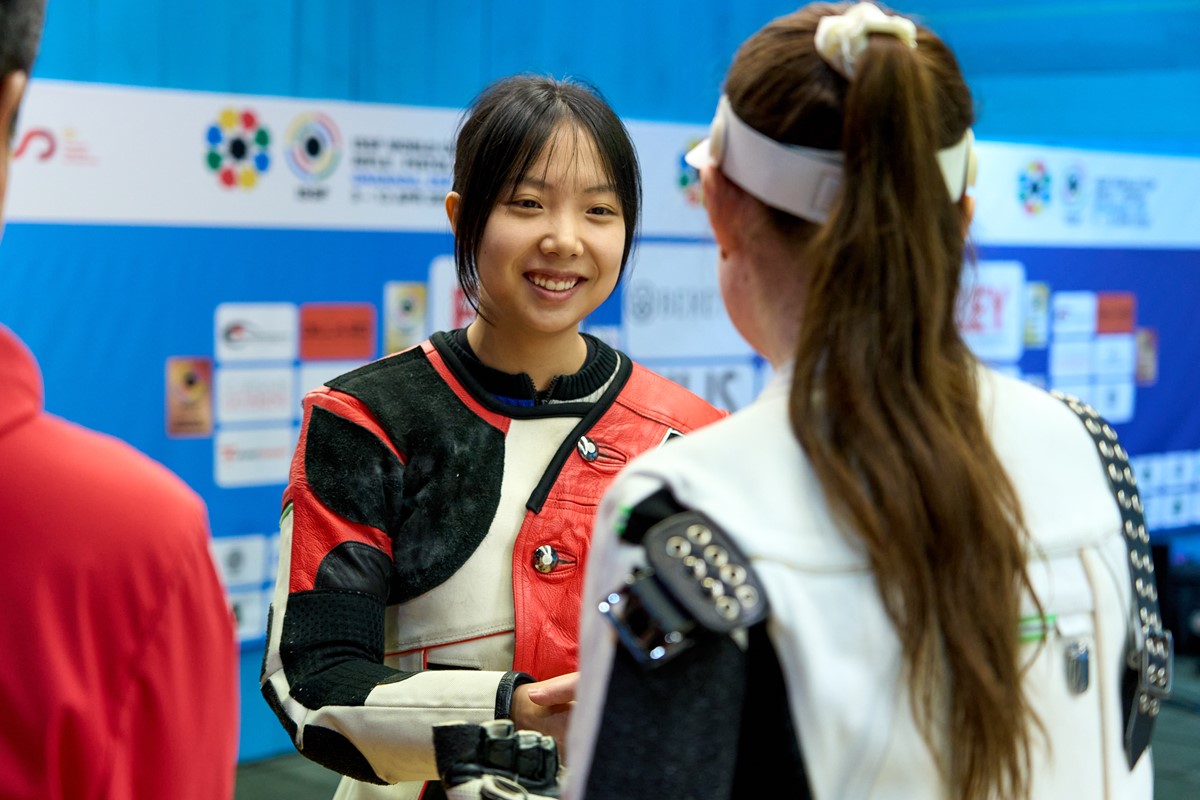
The eight finalists were:
Wang Zifei (CHN)
Mariia Vasileva (AIN)
Han Jiayu (CHN)
Amalie Evensen (NOR)
Sonam Uttam Maskar (IND)
Misaki Nobata (JPN)
Jeanette Hegg Duestad (NOR)
Marianne Palo (FIN)
China’s Wang Zifei claimed gold with 252.9 points, securing victory in the final shots of the competition. At just 19 years old, Wang is currently world number one and this victory marks her fifth ISSF World Cup gold medal, adding to an already impressive record that includes two ISSF World Championship medals and a World Cup Final title.
Wang Zifei (CHN)
Mariia Vasileva (AIN)
Han Jiayu (CHN)
Amalie Evensen (NOR)
Sonam Uttam Maskar (IND)
Misaki Nobata (JPN)
Jeanette Hegg Duestad (NOR)
Marianne Palo (FIN)
China’s Wang Zifei claimed gold with 252.9 points, securing victory in the final shots of the competition. At just 19 years old, Wang is currently world number one and this victory marks her fifth ISSF World Cup gold medal, adding to an already impressive record that includes two ISSF World Championship medals and a World Cup Final title.
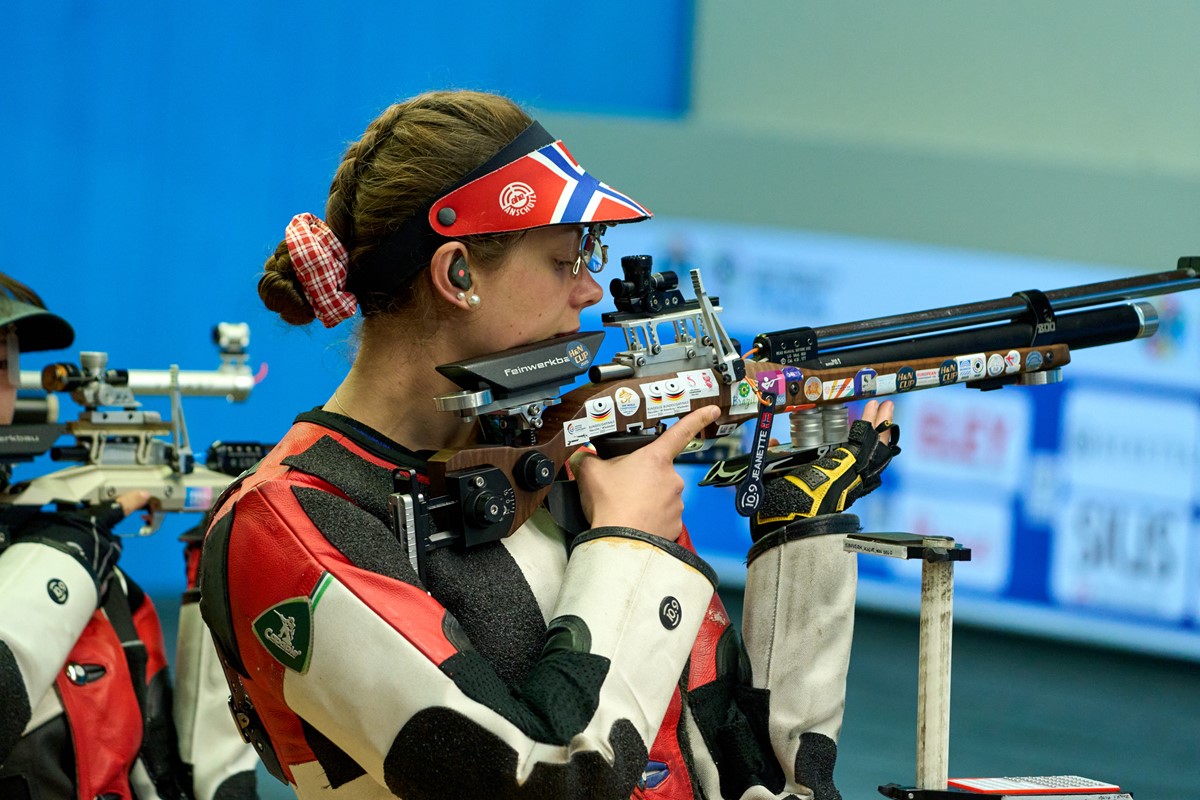
Norway’s Jeanette Hegg Duestad took silver with 252.4 points, continuing her remarkable consistency at the highest level. Named ISSF Athlete of the Year 2025, Duestad has an exceptional career record including 22 ISSF World Cup medals, 8 World Championship medals and 4 World Cup Final podiums, among many other achievements.
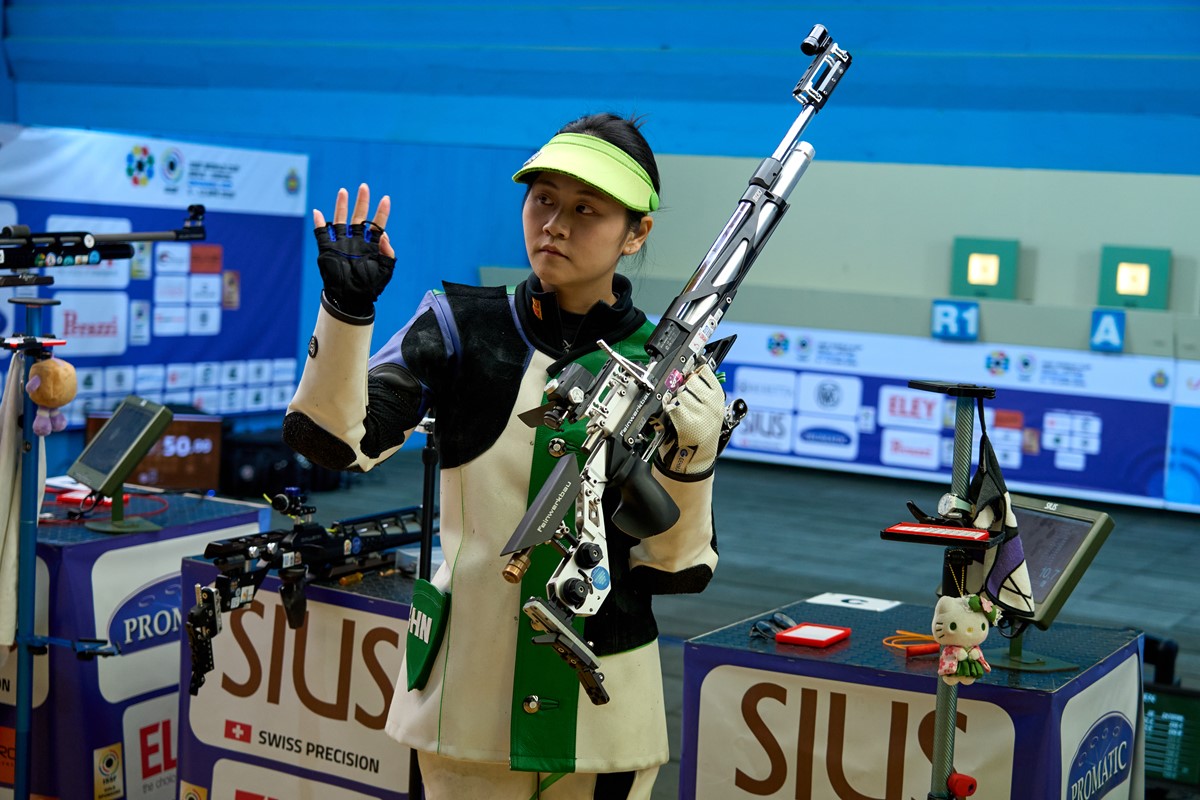
Bronze went to China’s Han Jiayu, who scored 231.5 points. Han is also a highly decorated athlete, with 2 ISSF World Championship medals and 8 ISSF World Cup medals, reinforcing the depth of the Chinese team.
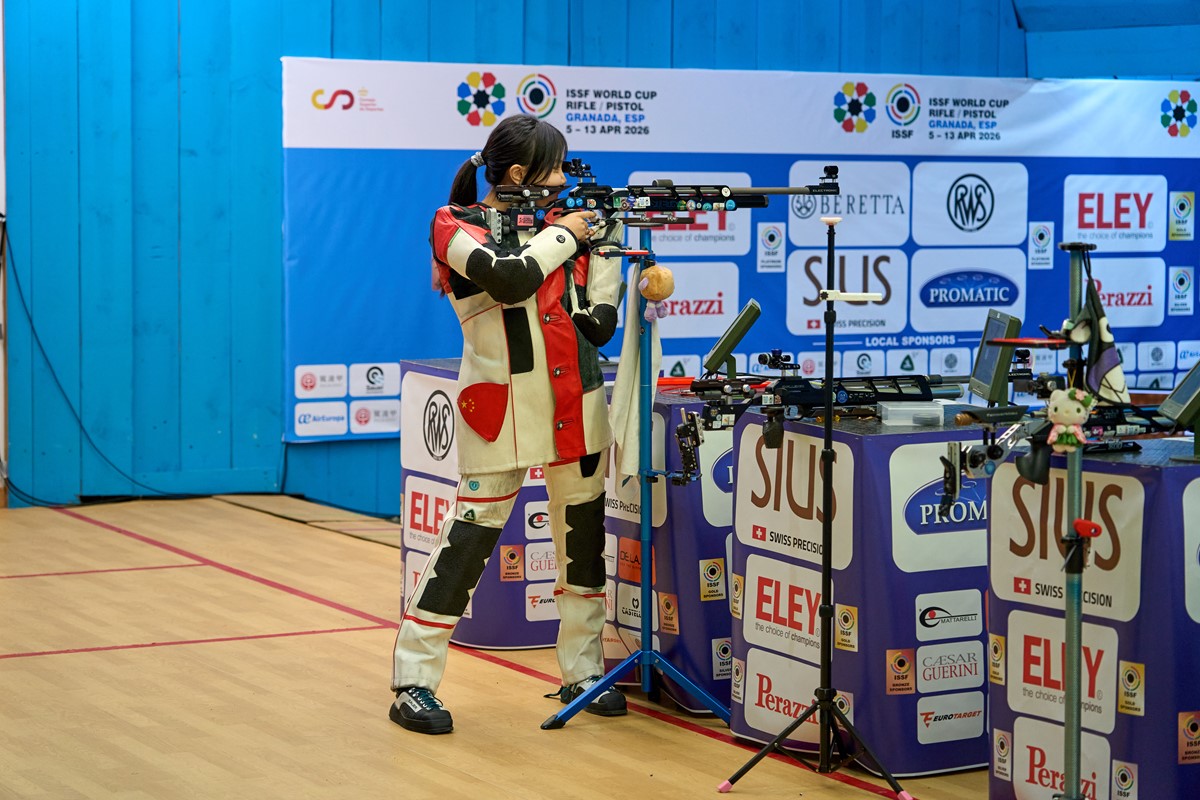
The final was marked by shifting momentum, with Jeanette Hegg Duestad leading for much of the competition through consistent and high-level shooting.
However, in the decisive stages, both Chinese athletes raised their performance. Wang Zifei and Han Jiayu increased their level in the final shots, putting pressure on the Norwegian leader.
The gold medal was ultimately decided in the last two shots, where Wang delivered under pressure to secure victory in a tightly contested finish.
However, in the decisive stages, both Chinese athletes raised their performance. Wang Zifei and Han Jiayu increased their level in the final shots, putting pressure on the Norwegian leader.
The gold medal was ultimately decided in the last two shots, where Wang delivered under pressure to secure victory in a tightly contested finish.
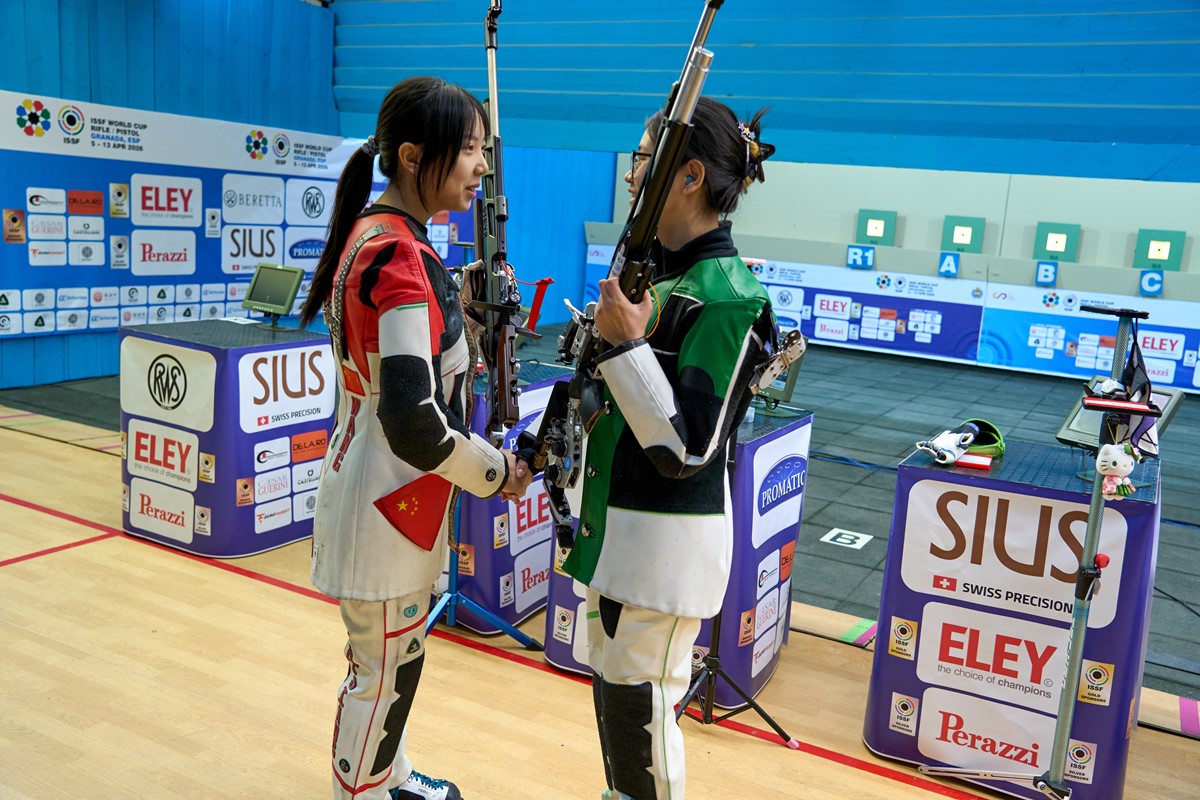
This final also marked the conclusion of the ISSF World Cup Rifle / Pistol Granada 2026, where China emerged as the dominant nation.
The Chinese team finished at the top of the medal table with a total of 13 medals — 8 gold, 3 silver and 2 bronze.
The gap to the second-ranked nation was significant, with only two medals, highlighting the consistency and strength of the Chinese athletes throughout the competition.
Notably, China secured 8 out of the 10 gold medals awarded in Granada.
The Chinese team finished at the top of the medal table with a total of 13 medals — 8 gold, 3 silver and 2 bronze.
The gap to the second-ranked nation was significant, with only two medals, highlighting the consistency and strength of the Chinese athletes throughout the competition.
Notably, China secured 8 out of the 10 gold medals awarded in Granada.
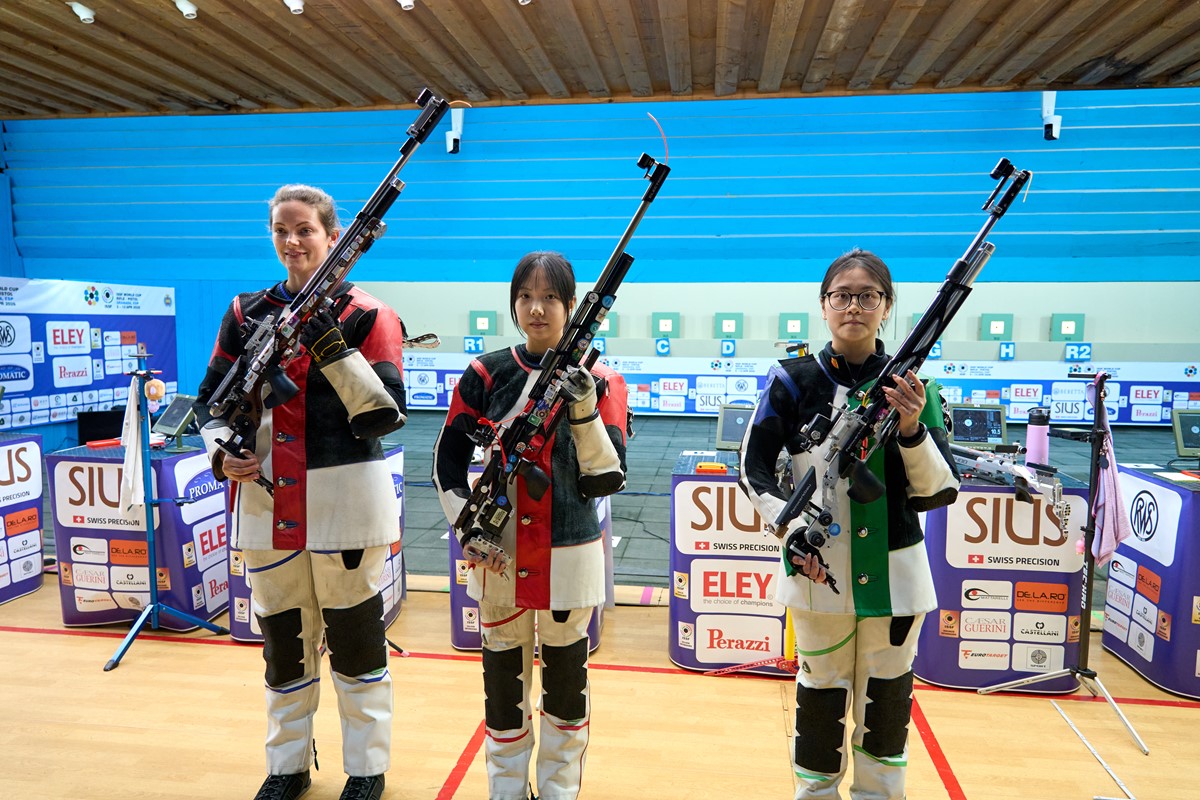
The 10m Air Rifle Women final provided a fitting conclusion to the World Cup, combining high-level performance, dramatic momentum shifts and a decisive finish under pressure.
The ISSF World Cup Rifle / Pistol Granada 2026 once again showcased the very best of international shooting sport, with both established champions and emerging talents delivering outstanding performances.
The ISSF World Cup Rifle / Pistol Granada 2026 once again showcased the very best of international shooting sport, with both established champions and emerging talents delivering outstanding performances.